
Introduction: Sustainability is more than just a trendy word
A few years ago, it was enough if a part arrived on time and was cheap. Today, sustainability is more important. Purchasing teams now have to think about more than price. We ask where the materials come from, how they are made, and how they impact the planet. Customers also care more – they want not just a good product, but also honesty and responsibility in the supply chain.
For buyers, this means new challenges. How do you meet budget goals, follow company values, and keep up with certifications? What if you can’t visit the supplier to check them? Can sustainability become a competitive advantage? This article answers those questions from the point of view of printed electronics.
Dla zakupowca oznacza to zupełnie nowe wyzwania. Jak pogodzić cele budżetowe z oczekiwaniami zarządu i wymogami certyfikacyjnymi? Jak weryfikować dostawców, kiedy czasem nie ma możliwości audytu na miejscu? Czy da się budować przewagę konkurencyjną na podstawie odpowiedzialnych wyborów? W tym artykule odpowiadamy na te pytania z perspektywy zakupów w elektronice drukowanej.
Choosing suppliers that match company values
Now, companies often choose suppliers not just by price, but by values. Does the supplier follow ethical rules? Do they respect labor laws and control their subcontractors? Do they share environmental reports? These are important questions today. A McKinsey report says 70% of industrial companies in Europe now include ESG factors when picking suppliers.
Many buyers now use “ESG due diligence” – checking suppliers not just for financial risks, but also for environmental and reputation risks. Paul Polman, former CEO of Unilever, said: “Companies can’t be neutral. Every choice in the supply chain shows what values they have.”
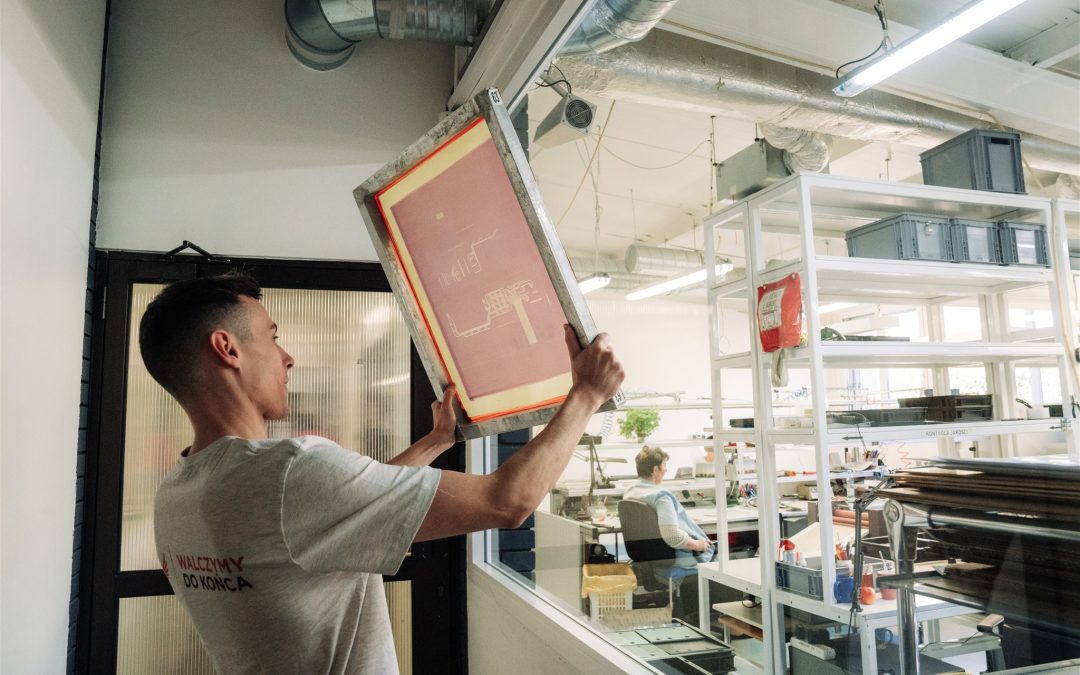
At LC Elektronik, we let customers see our processes – from materials and ink certificates to substrate origins and production practices. If audits aren’t possible, we offer other proofs: certificates, LCA (Life Cycle Assessment) reports, and photos from the production line. This helps buyers show that their choices support ESG goals.
Tips:
- Ask about ISO 26000, SA8000, CSR policy, and material declarations
- Look for open and transparent suppliers
- Local partners are easier to check and usually lower risk
- Check not only the main company, but also their suppliers
Measuring the environmental impact of purchasing
Sustainability is not just about image – it includes real environmental data. A company’s purchasing policy should track carbon footprint, energy and water use, and waste. The Carbon Trust says 90% of a product’s carbon emissions come from the supply chain – not from the final factory.
In printed electronics, some materials are worse than others. For example, silver inks have a carbon footprint 60–70% higher than carbon or graphene inks. Shipping from Asia by plane adds five times more CO₂ than local production in Europe.
At LC Elektronik, we give our customers data about CO₂ emissions, energy use, and the environmental profile of materials. We also compare printing methods – for example, digital vs. UV screen printing – and help buyers choose greener options.
Tips:
- In PE, most environmental impact comes from ink, substrate, and transport
- Ask for data: emissions, energy, recyclability
- Local production in Poland often has a smaller footprint than imports
- Optimizing means less waste and fewer returns
Putting sustainability into the purchasing process
More and more companies now add ESG checklists to their purchasing process. It’s not just paperwork – it’s a way to show company values in real life. A report by Capgemini says that by 2025, 63% of purchasing leaders will put sustainability in their top three goals. So ESG is now part of KPIs not only for CSR teams, but also for purchasing and operations.
Putting these ideas into action takes time and effort. Suppliers need support and education. Internal teams need to change how they think. But companies that do it see results. For example, Schneider Electric cut its supplier carbon footprint by 20% in 3 years thanks to a green purchasing strategy.
When you work with LC Elektronik, we offer ready-made environmental forms, material sheets, and support with ESG reporting. We also help companies prepare for the new CSRD regulations, which will apply to most medium and large businesses in the EU from 2025. If your company wants to get ISO 14001 or start an ESG strategy, it’s smart to include suppliers from the beginning.
Tips:
- Add ESG checklists to RFQs
- Collect certificates – REACH, RoHS, ISO, production location
- Create environmental goals with your suppliers
- Look for partners, not just vendors
What does the purchasing team gain?
First – confidence. When you know who your suppliers are and how they work, you lower risks. Choosing the wrong supplier can cause delays, losses, or even damage your reputation. EcoVadis says 46% of companies had supply chain problems in 2023 because their suppliers did not meet environmental or social standards.
Second – added value. A buyer who thinks about sustainability is not just a price negotiator. They become a partner for top management, R&D, and ESG teams. They help the company reach its goals. This gives the purchasing team a stronger role and helps them explain their decisions with facts, not just feelings.
Third – cost savings. Local deliveries are faster, have lower transport and customs costs, and are more reliable. Fewer returns mean savings in products and team time. Long-term cooperation also means better planning and more stable prices – which is very helpful in a fast-changing market.
Tips:
- Less risk = more peace for your company
- ESG can be measured – for example, by delivery data
- Responsible buying means fewer returns and more trust
- A buyer becomes a strategic partner, not just a negotiator
Want to see how ESG works in printed electronics?
We can send you our environmental checklist, sample declarations, and a production carbon footprint report. We’ll help match the requirements to your company and clients – free and risk-free.