
Imagine an athlete wearing a light, flexible wristband before a morning run. This band doesn’t just measure heart rate—it also checks hydration and body temperature in real time. Sounds futuristic? This kind of device is already real thanks to printed electronics, especially flexible silver-based circuits.
What are flexible printed circuits and why are they the future of wearables?
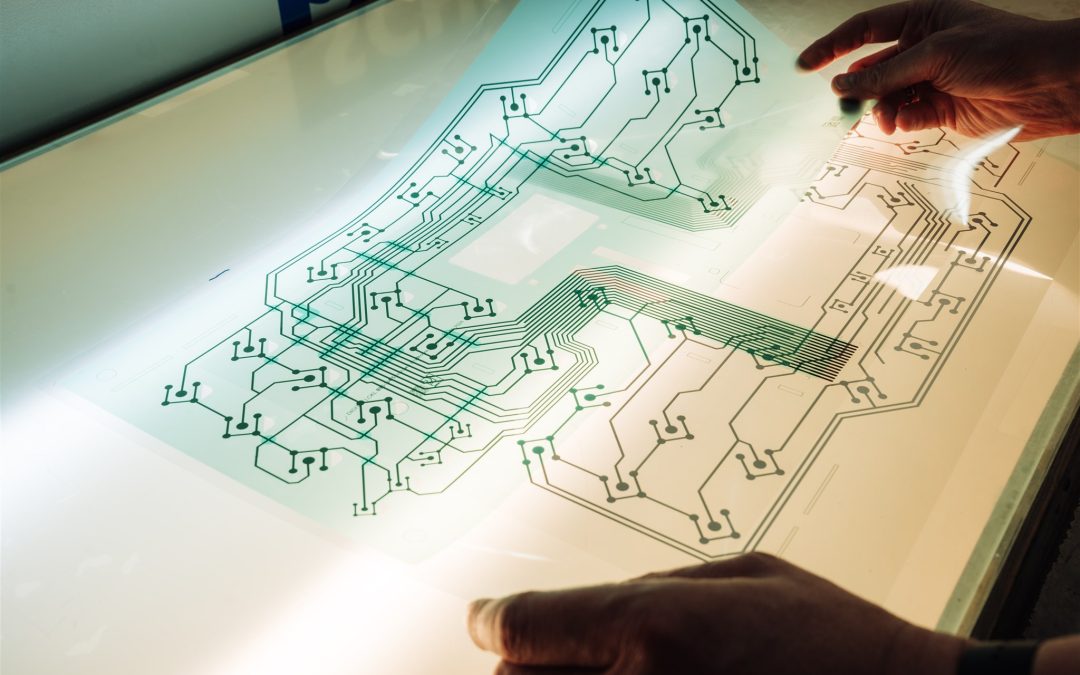
Printed electronics use silver inks on flexible materials to create circuits that bend with the device. This allows engineers to make comfortable and durable products that fit the body and daily life. Flexible circuits can be added to fabrics, films, and plastics, opening new ideas for wearable tech.
Comfort and function.
For wearables, comfort is as important as function. Printed electronics allow designers to build things that follow the body’s shape and do not block movement. This makes technology easier and more enjoyable to use for longer periods of time.
Practical Uses.
- Smart clothing: Sportswear with printed sensors that check activity, stress, temperature, or posture
- Medical bands: Flexible circuits that measure health signals and help remote diagnosis
- Logistics labels: Tags with printed electronics to track humidity and temperature during shipping
- E-skin: Thin, smart layers that act like real skin, used in prosthetics.
What to Check Before Using It.
- Materials: Silver inks, conductive polymers, proper films (PET, TPU)
- Production: Printing methods (screen, inkjet), drying, rolling
- Testing: Bending cycles, fatigue tests, extreme conditions (moisture, UV, temperature).
Compared to classic electronics
Traditional electronics use hard PCBs. These are good for computers or cars but not for wearable products. Their stiffness and size are problems. Printed electronics are flexible and lighter and can be built into textiles, films, or even synthetic skin. They let designers make more creative, body-friendly forms.
A new wave of innovation – electronics all around us
Every day, we carry multiple electronics: smartphones, smartwatches, fitness bands, and wireless earbuds. We are increasingly using smart rings, glasses, or sensors in clothing. Many of these work by constantly checking our bodies. Printed electronics help create these tiny, smart, low-energy sensors. The number of new uses grows each year.
Tech Facts
Flexible circuits help create new types of wearable devices. For example, “e-skin” can act like real skin and be used in prosthetics or human-machine touch systems. Another idea is integrating circuits directly into fabric, creating “smart textiles” that can monitor health or connect to other devices.
Useful Links:
- https://www.molex.com/en-us/blog/flexible-circuitry-for-medical-wearables
Summary
Silver-based printed electronics help create a new generation of wearable devices that are more comfortable, useful, and durable. The key to success is knowing the right technology and carefully choosing the materials and processes. Imagine that athlete again—this time fully equipped with electronics hidden in their clothes, wristbands, shoe insoles, and headphones. This shows how close we are to a time when tech is invisible but always with us.